
"endangered species"
200 article(s) found

Ethiopian coffee bean flavor taste the manor area introduces fine coffee beans Ethiopian coffee
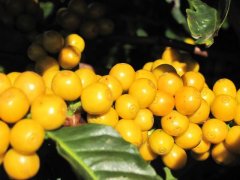
Sustainable coffee culture Ethiopian coffee beans grow in close to the natural environment, after years of planting under the same growth conditions, Ethiopian coffee beans have gradually adapted to the environment here. More than 60% of coffee beans are grown in forests or semi-forests. The villages that grow coffee in large areas account for about the total amount of coffee produced in the country.

Introduction to the taste of coffee beans by describing the characteristics and flavor of coffee beans in Ethiopia
Ethiopian coffee bean flavor description introduces that Ethiopian coffee should be the only pollution-free green organic coffee in the world. Today, Ethiopia still uses traditional planting methods to artificially care for coffee trees, and fertilizers are mainly fallen leaves, withered grass and animal manure, replacing harmful pesticides and herbicides used on a large scale in other coffee-producing countries in the southwestern highlands of Ethiopia. Kafa

Introduction of Coffee Variety Flavor description in Xida Mochizo producing area with strong fragrance
Sustainable coffee culture Ethiopian coffee beans grow in close to the natural environment, after years of planting under the same growth conditions, Ethiopian coffee beans have gradually adapted to the environment here. More than 60% of coffee beans are grown in forests or semi-forests. The villages that grow coffee in large areas account for about the total amount of coffee produced in the country.
Colombia Kachalu (Cacaro Farmers' Association) Organic Coffee introduction Cup Test description
Colombia Kachalu (Cacaro Farmers' Association) Organic (EU ECO Organic Certification) Kachalu Coop (Cacaro Peasants' Association) introduced the era of great navigation at the end of the 15th century, when the Spaniards came as conquerors to what is now known as Kachalu land in northeastern Colombia, the indigenous Poymas who originally lived here, in order to protect their property and culture,

Introduction to the unique flavor and taste characteristics of Ethiopian coffee manor
A large amount of coffee production (95%) is done by small shareholders, with an average yield of 561 kg per hectare. For centuries, minority holders of Ethiopian coffee farms have been producing a variety of high-quality types of coffee. The secret of producing high-quality coffee is that coffee growers have developed environmental conditions through generations of repeated learning about the coffee planting process.

Introduction to the characteristics, varieties and brands of Rwanda boutique coffee flavor and taste manor
Rwanda is located in the south of the equator in east-central Africa, a landlocked country. It is bordered by Tanzania to the east, Burundi to the south, Zaire to the west and northwest, and Uganda to the north, with a land area of 26338 square kilometers, ranking 149th among all countries in the world and close to Burundi, Macedonia, Haiti and Albania. Rwanda is located in east-central Africa, bordered by the Democratic Republic of the Congo to the west.

An introduction to the estates of Ethiopian coffee-producing areas with the natural conditions for growing coffee
Sustainable coffee culture Ethiopian coffee beans grow in close to the natural environment, after years of planting under the same growth conditions, Ethiopian coffee beans have gradually adapted to the environment here. More than 60% of coffee beans are grown in forests or semi-forests. The villages that grow coffee in large areas account for about the total amount of coffee produced in the country.

All of a sudden! A lion bite occurred in the cafe of Thailand Wildlife Park.
Professional coffee knowledge exchange more coffee bean information please follow the coffee workshop (Wechat official account cafe_style) more boutique coffee beans please add private Wechat Qianjie coffee, WeChat: qjcoffeex Animal themed Cafe has been very popular in many countries in Asia in recent years! Except for the common kittens,

An introduction to the coffee flavor and taste of Coffee Manor in Rwanda with a cool, clear and fresh feeling.
The watershed between the Congo basin and the Nile basin runs through Rwanda from north to south, with about 80 per cent of the country draining from the Nile and about 20 per cent from the Ruzi River and Lake Tanganyika. The longest river in the country is the Niabalongo River (Nyabarongo River) in the southwest, which turns north, east and southeast and flows into the Ruwuwu River to form the Kagaila River.

90 + Fine Honey Kiss Coffee beans description of Ethiopian Ginseng Flavor
The picked fruit is washed in clean water and preserved under water to improve the flavor and color of coffee beans. The processing process begins with hand selection, washed by machine and made into pulp on the day of harvest, followed by natural fermentation and sun exposure, in order to meet the best humidity standards. After machine processing, these coffee beans are selected by hard and careful hand.

How to drink Nicaraguan Javanica Coffee in the New season
Professional coffee knowledge exchange more coffee bean information please follow the coffee workshop (Wechat official account cafe_style) Nicaragua is located in central Central America, China and the United States is the largest country, north of Honduras, south of Costa Rica, east of the Caribbean Sea, west of the Pacific Ocean. The eastern part is the coastal plain, the high temperature and rainy climate is tropical maritime climate, and there are many jungles and swamps in the west.

Description of the flavor of Ethiopian coffee beans introduction to the taste of manors in the areas where grinding varieties are produced
In the southwestern highlands of Ethiopia, the Kaffa, Sheka, Gera, Limu and Yayu Senri coffee ecosystems are considered to be the hometown of Arabica coffee. These forest ecosystems also have a variety of tools

Flavor description of Ethiopian Coffee introduction to planting Environment
Large-scale coffee-growing villages account for about 35% of the country's total coffee production. These coffee farms, which use a multi-tier coffee planting system, are carefully cared for. Coffee farmers do not use chemical fertilizers, but use fallen leaves and animal and plant debris to increase soil nutrition. In addition to coffee, farmers also frequently grow non-coffee crops. It even accounts for the total amount of coffee in the country.

Which coffee brand is better in Ethiopia? the characteristics and flavor of Ethiopian coffee beans.
Professional coffee knowledge exchange more coffee bean information please follow the coffee workshop (Wechat official account cafe_style) the front street of Ethiopian coffee brand-Yega Xuefei Coffee introduces the growing environment of Ethiopian coffee Ethiopia has unique natural conditions, suitable for growing all imaginable coffee varieties. Ethiopian coffee beans as upland crop owners

Unique Panamanian Coffee Flavor and Taste the characteristics of Cochell Manor are introduced.
Located in the most advantaged natural conditions, Ethiopia produces unique high-quality coffee every year. Ethiopia's coffee growing cycle brings the joy of harvest to the country every year. Beautiful white coffee flowers will bloom and bear fruit every year from March to April. Only the reddest and ripe fruits will be selected between September and December.

Introduction to the characteristics of Ethiopian Coffee Flavor description Variety Grinding degree and Baking degree
Washed coffee accounts for 35% of exports. Good quality washed coffee is processed with freshly picked fully ripe fruit, picked carefully and closely monitored by professionals. The picked clean coffee beans are pulped on the day of picking, then fermented, washed, dried and peeled. The humidity of processed coffee beans is kept at about 12%. Sun-cured coffee accounts for 65% of exports. Mainly by

Aromatic Ethiopian coffee estate Flavor Description Variety Features Taste Introduction
Ethiopia's coffee market regulator is the Ethiopian Coffee and Tea Products Authority. There are two auction centers in the country, one in Addis Ababa and the other in Dire Dawa in eastern Ethiopia. Coffee farmers bring fresh fruit either to private coffee processing plants or to cooperative coffee washing stations

Introduction to the flavor and taste characteristics of Ethiopian coffee manor with fragrant and mellow smell
Ethiopian coffee beans grow in close to the natural environment. After years of planting under the same growth conditions, Ethiopian coffee beans have gradually adapted to the environment here. More than 60% of coffee beans are grown in forests or semi-forests. Large-scale coffee-growing villages account for about 35% of the country's total coffee production.

A brief introduction to the description of flavor and aroma characteristics of Rwanda boutique coffee beans with excellent evenness
The coffee fruit needs to be transported to the processing plant as soon as possible after picking, but due to the lack of domestic facilities, it is unable to deal with the fruit at the first time. The fruits are piled up after being picked, which will continue to develop and accelerate mildew and decay due to lack of ventilation. Rotten fruits will affect the quality of coffee and show defective flavor. In recent years, the production and processing of coffee in Rwanda are

Ethiopian Coffee Flavor Description Grind Taste Variety Fine Coffee Introduction
In July 1991, EPF hosted a national conference attended by more than 20 political and ethnic organizations. The meeting adopted the Transitional Charter and elected an 87-member House of Representatives, with EPF Chairman Meles Zenawi as President of the Transitional Government and President of the House of Representatives. A transitional government was established. On 24 May 1993, Eritrea (formerly Ethiopian Province of Eritrea) adopted a resolution at the International Conference on the Elimination of All Forms of Discrimination against Women (ICPD).